

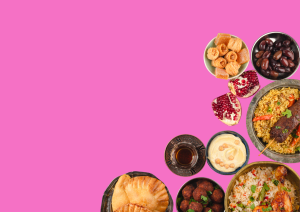


Ramadan remains one of the most significant periods in the consumer calendar for Muslims in the UK, clearly shaped by deep religious commitment, but increasingly influenced by economic pressures and evolving lifestyles.
Our recent consumer data highlights how faith, cost-of-living concerns, dining habits and brand loyalty intersect during this holy month – with clear implications for brands looking to engage meaningfully and effectively.
Faith first: Ramadan remains non-negotiable
Rates of religious observance remain extremely strong, with 94% of respondents expecting to fast this year and a further 4% unsure. Among the small minority not fasting, health and pregnancy are the only reasons cited, reinforcing that participation in Ramadan is not driven by choice, but by circumstance.
For marketers, this underscores the importance of respecting the sanctity of the month for those who mark it. Messaging that acknowledges fasting, spiritual reflection and family time will continue to resonate far more than purely promotional campaigns.
Cost-of-living pressures are reshaping spending
While commitment to Ramadan is unwavering, how people spend during the month is visibly shifting. Nearly a third (32%) say the cost-of-living crisis has impacted their Ramadan and Eid preparations. Among these households:
- 49% plan to reduce grocery spend
- 32% intend to eat out less for Iftar (breaking the fast)
This signals a move towards value-led decision making, rather than reduced participation. At the same time, responses demonstrate that people are under financial strain, but are also determined to uphold traditions. Efforts to offset rising costs include:
- 46% planning to work more hours
- 18% seeking a second job
This means that brands should be mindful of affordability without appearing opportunistic. Value bundles, price locks, family-sized offerings and transparent pricing can help maintain relevance without undermining trust.
Eid gifting: still heartfelt, but now more value-driven
Eid gifting remains important, but spending is becoming more controlled:
- 40% of respondents expect to spend up to £30 per gift, with
- 42% plan to spend less than the previous year
This presents an opportunity for brands to reposition gifts around meaning and quality rather than price alone. Curated gift sets, limited-edition packaging and messaging that emphasises thoughtfulness can help brands remain attractive even as budgets tighten.
Interestingly, shoppers aged 18-24, particularly those without children, are more open to trying new brands and products. This group is also more likely to spend an above-average amount on gifts (£31–£60).
For marketers, this signals a valuable growth segment: younger consumers who are experimental, brand-curious and willing to trade up when value and relevance are clear.
Grocery shopping: timing and trust matter
Grocery shopping habits show a clear split in preparation styles:
- 42% purchase groceries a week before Ramadan
- 40% shop just two to three days beforehand
This suggests that both planners and last-minute shoppers are equally important to brands. Retailers should therefore ensure that Ramadan ranges, promotions and in-store visibility peak across this full window, not just at the start of the month.
Brand trust plays a major role in purchase behaviour: 45% buy brands they know and love, with the major supermarket chains all featuring in shopping plans, and nearly half (49%) describe themselves as brand loyal. However, almost a third (31%) intend to use ethnic specialty stores for their food purchases, and almost a quarter (23%) are keen to try new products.
The latter group is mostly made up of younger, higher-spending consumers, who represent an opportunity for challenger brands to gain traction and generate sales through sampling, influencer partnerships or Ramadan-specific launches.
Dining out: value over indulgence
Dining out for Iftar is no longer a nightly occasion for most. While 40% eat out once a week, nearly a quarter never do so during Ramadan. Younger consumers dominate the dining-out segment, with 18-24 year olds accounting for a third (33%) of those who eat out.
Fast, casual and quick-service restaurants lead the way, with Nando’s (36%) and KFC (33%) among the top choices. Crucially, 37% of those surveyed cite price as the most important factor when choosing where to eat. Restaurants that offer Ramadan meal deals, group-sharing options and clear halal communication will be best placed to attract footfall without alienating cost-conscious diners.
Daytime ads still win
Despite fasting hours, over a third of respondents (36%) say they are most receptive to food advertising during the day, compared to 23% in the evening before Iftar. This challenges the assumption that pre-Iftar is the only effective window. Daytime digital, social and out-of-home placements can play a strong role, particularly when content is respectful, informative and inspiration-led rather than overtly indulgent.
Ramadan marketing in 2026 is about balance: honouring faith, acknowledging financial pressures, and offering genuine value. Brands that lead with empathy, flexibility and cultural understanding, while still delivering on price, quality and convenience, will be best positioned to build long-term loyalty during one of the most meaningful periods of the year for the UK’s Muslim population.